Is a Business Data Management Application Enough to Manage Your Entire Organization?
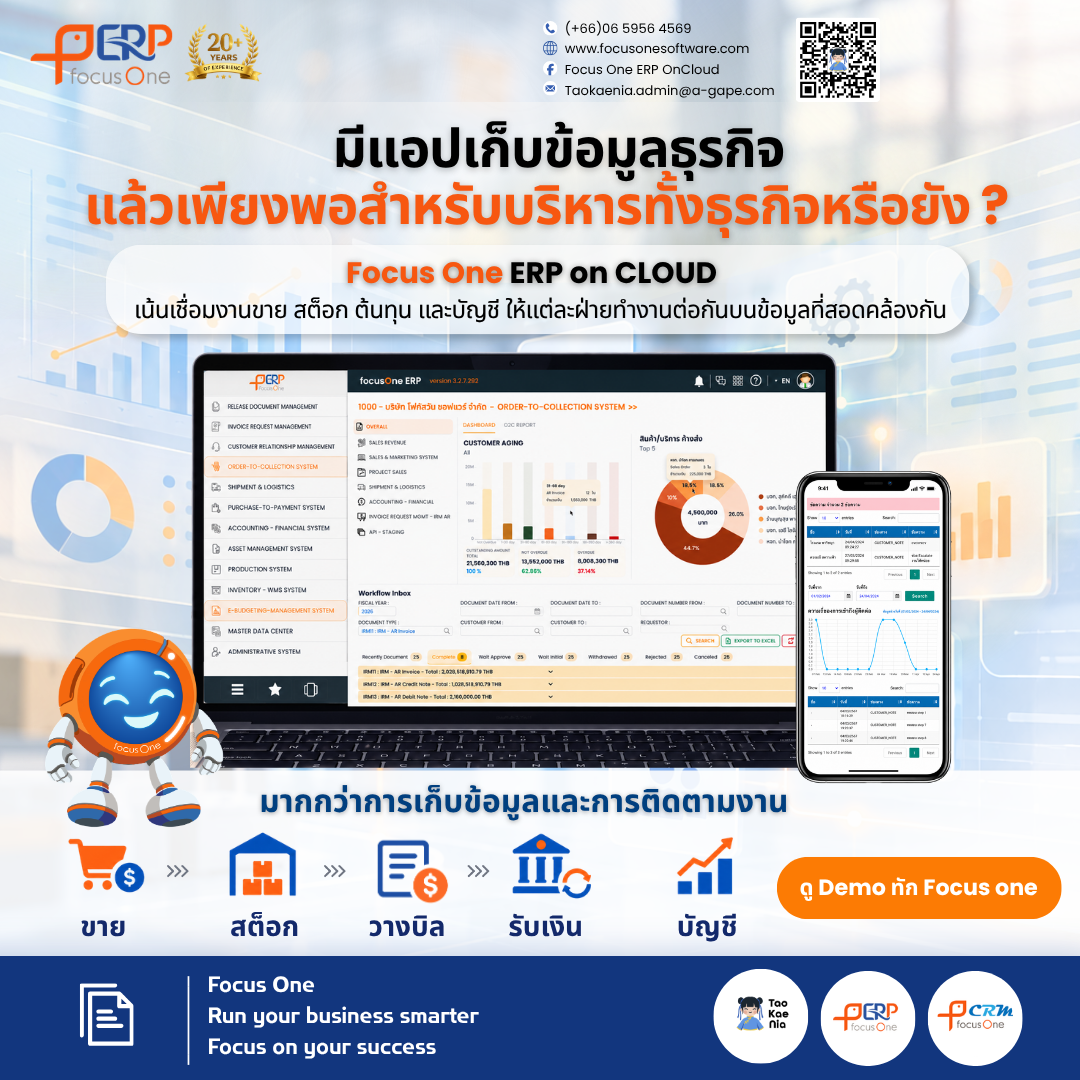
Is a Business Data Management Application Enough to Manage Your Entire Organization?
From Departmental Data Management to End-to-End Business Process Integration
As organizations transition from spreadsheets and manual recordkeeping to digital systems, adopting platforms for form creation, data management, status tracking, and Workflow Approval can significantly improve operational efficiency within individual departments.
However, as businesses grow, their requirements often extend beyond managing information or tracking activities within a single department.
Effective business management requires more than storing information. It requires connected data and integrated processes across the entire organization.
From sales and purchasing to inventory management, logistics, accounting, and finance, every business function is interconnected.
When information is maintained across disconnected systems, organizations may spend considerable time verifying records, reconciling transactions, and coordinating activities between departments.
How Does a Single Sales Transaction Connect Across Business Processes?
Consider a single sales transaction within the Order-to-Cash (O2C) process, which covers activities from receiving a customer order through billing and payment collection.
1. Sales & Inventory Integration — How Does a Sales Order Affect Inventory?
Once a Sales Order is approved, how does the information flow into order fulfillment and delivery processes?
Can the system track delivery status and related inventory movements throughout the transaction lifecycle?
2. Billing & Accounts Receivable — How Are Customer Payments Managed?
After goods are delivered, how does the transaction information flow into billing, invoice generation, and Accounts Receivable (AR) Management?
Can the organization maintain consistent transaction records without repeatedly entering the same information across multiple systems?
3. Cost & Profitability Analysis — How Can Management Evaluate Business Performance?
Can sales revenue, product costs, and related operating expenses be analyzed together to provide meaningful insights into business performance?
How effectively can this information support Profitability Analysis and Management Dashboards for executive decision-making?
4. Returns & Transaction Adjustments — How Are Changes Reflected Across the Organization?
When products are returned, transactions are canceled, or adjustments are required, how are the related changes reflected in inventory, sales, accounts receivable, and financial records?
Can the system maintain consistency across the affected business processes?
These questions demonstrate that selecting Business Management Software involves more than evaluating form-building capabilities or data storage features.
Organizations must also consider how effectively information and transactions can move across interconnected business processes.
Business Application Platforms and ERP Systems: Different Approaches to Digital Transformation
Business application platforms can provide flexibility in developing departmental applications, managing workflows, and organizing operational information.
Meanwhile, Enterprise Resource Planning (ERP) systems are designed to integrate core business processes, including Order-to-Cash (O2C), Procure-to-Pay (P2P), Inventory Management, and Financial Accounting.
By connecting related transactions and business information, ERP systems support more consistent data management and coordinated operations across departments.
Both approaches can play important roles in an organization's Digital Transformation strategy.
Depending on the capabilities of each platform and the organization's requirements, they may also operate together through System Integration or API Integration.
The appropriate solution therefore depends on business complexity, operational requirements, and the level of process integration needed.
Focus One ERP Connecting Business Processes Across the Organization
Focus One ERP emphasizes understanding each organization's Business Processes to design and implement an integrated business management solution aligned with its operational requirements.
Through an End-to-End Business Process Integration approach, organizations can connect sales, purchasing, inventory, accounting, finance, and other relevant business systems according to their size, operational complexity, and business objectives.
The goal extends beyond reducing repetitive tasks. It also includes improving:
Business Data Visibility — Providing greater visibility into information and transactions across business functions.
Operational Control — Supporting structured workflows, process coordination, and operational oversight.
Financial Visibility — Connecting financial information with underlying business activities to support reporting and analysis.
By establishing stronger relationships between operational and financial data, organizations can gain a more comprehensive understanding of business performance and support informed management decisions.
Choosing the Right Business Management Solution
Before selecting a business management system, organizations should consider one essential question:
How effectively can a single business transaction be connected, tracked, and processed across the organization's end-to-end workflows?
The value of a business management solution should not be measured solely by the number of available features.
It should also be evaluated based on its ability to support actual business processes, maintain relationships between data, and accommodate the organization's future growth.
Focus One ERP Connecting Business Processes, Strengthening Operational Visibility, and Supporting Data-Driven Decisions.
Focus One
Runs Your Business
Focus on Your Success
Powered by Froala Editor


